Focused arrival windows
Useful updates and clear arrival timing.

When mold remediation Madison NC is what your house needs, you want a crew that finds the moisture source, not just the fuzzy spot on the drywall. We serve homeowners, landlords, and property managers across Madison and Rockingham County with containment, HEPA filtration, and antimicrobial treatment. If you smell that damp, musty odor or see black staining near a window, call (980) 829-0333 today.
Useful updates and clear arrival timing.
Review the approach and price before deciding.
Equipped vehicles and respectful cleanup.
Neighbors serving neighbors with follow-through.
Every job starts with an inspection and a written scope, so you know what is covered before we open a wall. Here is what comes standard on a Madison mold remediation, and what we quote separately when the job calls for it.
We check baseboards, crawlspace joists, under sinks, and around windows with pin meters and a thermal camera. You get a written scope with photos the same day, usually within 90 minutes of arrival.
The work zone gets sealed with 6-mil plastic sheeting and duct tape, and a HEPA air scrubber runs under negative pressure for the duration. That keeps spores out of the rest of your house while we work.
Moldy drywall, insulation, carpet, and pad come out and go into contractor bags. Porous materials cannot be cleaned, so they leave in an industrial dumpster parked on-site. Non-porous framing stays and gets treated.
Exposed wood and block get HEPA vacuumed and treated with an EPA-registered antimicrobial. Crawlspaces get fogged wall to wall. Odor-heavy rooms get ozone treatment while unoccupied.
We re-meter every surface, confirm moisture is under 15 percent, and photograph the finished space. You get a written closeout you can hand to an insurance adjuster, a buyer, or a tenant.
New drywall, paint, flooring, and trim are quoted separately because they are finish work, not remediation. We carry a North Carolina general contractor license and can handle the rebuild if you want one crew for the whole job.
Share what is happening and receive a clear next step from the local team.
Mold remediation Madison NC is the process of containing, removing, and treating mold growth so your home's air and surfaces are safe again. It starts with moisture detection, not bleach. We use thermal imaging and pin-type meters to find the water source behind the wall, then set up plastic sheeting and negative air pressure so spores do not spread to clean rooms. Affected drywall, insulation, and carpet get bagged in contractor bags and hauled out. Finally, we HEPA vacuum every surface and fog the space with an EPA-registered antimicrobial.
Most Madison calls we run come from three places: crawlspaces under older mill houses, bathrooms with no exhaust fan, and basements that took on water after a heavy storm. North Carolina humidity sits high from April through October, and that is enough to keep a damp subfloor growing mold long after the leak stops. If you have been searching mold remediation Madison NC near me, the fix is not a spray can from the hardware store. It is moisture control plus proper removal.
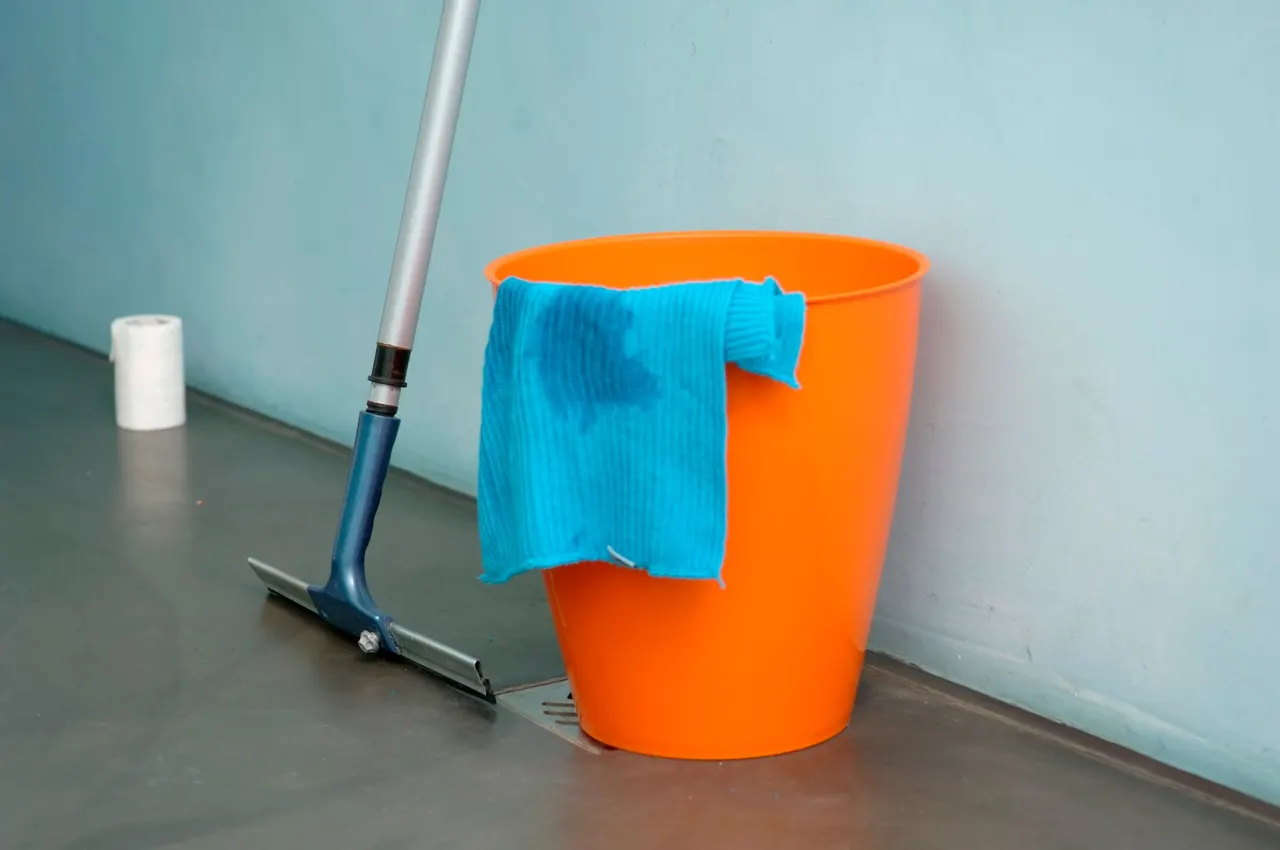
We walk the property with moisture meters and a thermal camera, checking baseboards, crawlspace joists, and under sinks. You get a written scope with photos the same day. Most inspections take 45 to 90 minutes depending on square footage.
We seal off the work zone with 6-mil plastic sheeting and duct tape, then set a HEPA air scrubber to create negative pressure. That keeps spores from drifting into your kitchen or bedrooms while we work. Technicians suit up in Tyvek suits, N95 respirators, and heavy-duty nitrile gloves.
Contaminated drywall, insulation, and carpet get cut out and bagged in contractor bags. Porous materials cannot be cleaned, so they leave the house. We load everything into an industrial dumpster parked on-site, usually within the first four hours.
Exposed framing and subfloor get HEPA vacuumed, then treated with an EPA-registered antimicrobial. For crawlspaces we fog the whole cavity. Ozone generators run in unoccupied rooms when odor is heavy. This step typically takes two to four hours.
We re-meter every surface, confirm moisture content is under 15 percent, and take photos of the finished space. You get a written closeout with before-and-after images. If you want third-party clearance testing, we can point you to an independent lab.
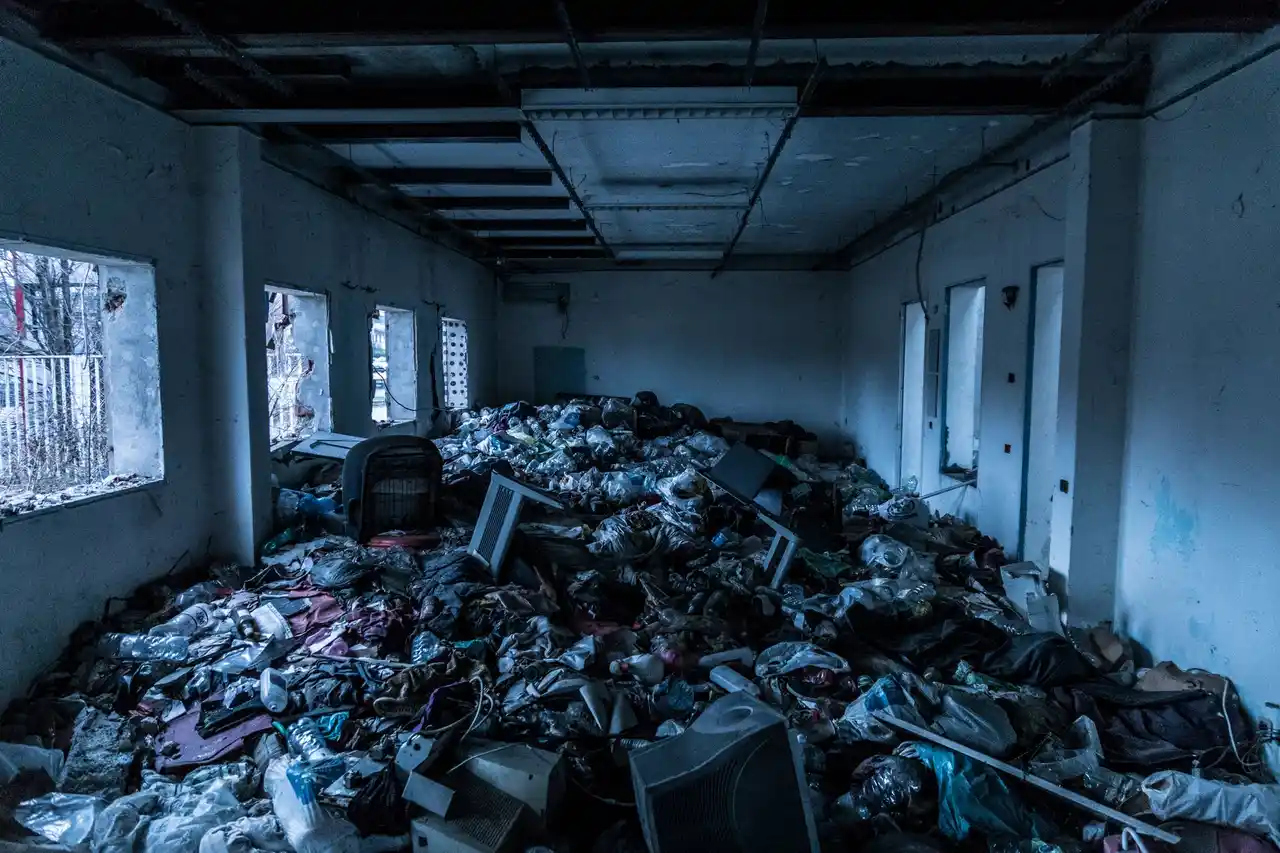
Capture fine spores from framing, subfloor, and finished surfaces after removal. Standard shop vacs just blow spores back into the air, which is why we do not use them.
Find hidden moisture behind walls and under floors without cutting exploratory holes. We use them on every inspection to map the full extent of the problem.
Break down odor compounds in unoccupied rooms after remediation. We run them in cycles and ventilate before anyone re-enters.
Apply antimicrobial and odor neutralizer into crawlspaces and wall cavities that a sprayer cannot reach. Standard on every crawlspace job.
Build containment barriers that keep spores inside the work zone. We seal doorways, vents, and returns before we start cutting.
Haul contaminated drywall, insulation, carpet, and bagged debris off-site in one trip. Keeps the job moving instead of waiting on a second load.
Protect our technicians from spores and biohazard exposure. Required on every remediation and animal hoarding job we run.
We follow the IICRC S520 framework for containment, removal, and verification. It is the same standard insurance adjusters reference, which is why our closeout paperwork gets accepted without a fight.
A HEPA air scrubber pulls air out of the work zone and filters it before it returns to the house. That single setup is the difference between a contained job and spores landing on your couch.
We re-meter every treated surface and confirm readings under 15 percent before we call the job done. If a wall is still wet, the mold will come back, so we do not skip this step.
We apply only EPA-registered products to exposed framing and block. That matters for warranty claims and for anyone with chemical sensitivities in the household.
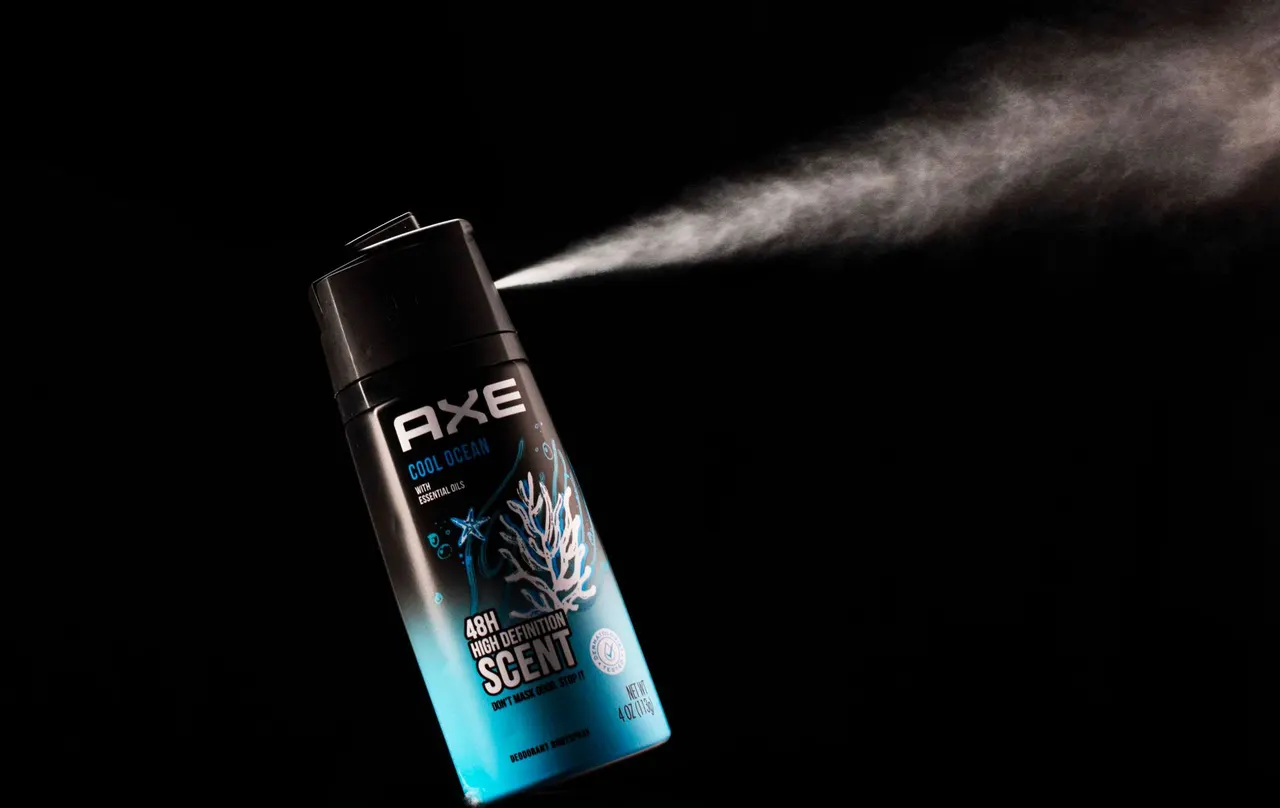
We extract standing water, pull the swollen cabinet base and any moldy drywall, then treat the framing and run drying equipment. Containment goes up before we cut anything so spores do not spread into the living room. Kitchen is dry, treated, and ready for new cabinet base and paint within three to four days.
We inspect the whole unit, contain the bedroom, remove the moldy drywall, and treat the studs. Photos and moisture readings go into a written closeout for the deposit file. Unit is rent-ready in two days, with documentation the landlord can use if the tenant disputes charges.
We clear the boxes, inspect the block walls and floor joists, remediate any growth, and disinfect the whole basement. The estate gets a written closeout for the sale paperwork. Basement is clear, treated, and documented, so the real estate agent can list without a mold disclosure problem.
We inspect the air handler, ductwork, and the rooms it serves. If mold is in the ducts, we clean them and replace filters after treating the source room. If the source is a damp crawlspace, we remediate there first. Musty smell is gone and the system is no longer blowing spores back into the living space.
Madison sits in Rockingham County along the Dan River, and the humidity here runs high from April through October. That is enough to keep a damp crawlspace growing mold even after the leak that started it is fixed. Most of the housing stock in Madison and Mayodan dates to the textile era, which means pier-and-beam foundations, no vapor barrier, and original wood framing that soaks up ground moisture. Newer builds out toward Oak Ridge and Summerfield have slab foundations instead, so we usually find the problem in a bathroom, laundry room, or around a window. We run 24/7 mold remediation Madison NC emergency calls for burst pipes and storm intrusion, and we schedule standard inspections within one to two business days. If you have been searching affordable mold removal Madison North Carolina, the honest answer is that the cheapest job is the one that fixes the moisture source, not just the visible growth. Call (980) 829-0333 and we will tell you what your address actually needs.
Older mill-era homes with pier-and-beam foundations. Crawlspace moisture is the most common source of mold we find here.
Similar housing stock to Madison, with a lot of original wood framing. Vapor barrier installation is usually part of the fix.
Mix of older homes and small rentals. We see a lot of bathroom mold from exhaust fans that vent into the attic.
Newer construction on slab foundations. Problems usually trace back to a slow supply-line leak or a window flashing issue.
Larger rental market, so we do a lot of landlord jobs with documentation for deposits and insurance.
Crawlspaces and basements stay damp for months, which is enough to grow mold on joists and subfloor even without an active leak. Vapor barriers and dehumidification matter here.
Ground moisture rises straight into the wood framing. We treat the joists and install a barrier, which is the only way to stop the cycle.
A burst pipe in January can soak a wall for days before anyone notices. We run 24/7 emergency calls for exactly this scenario.
Heavy rain pushes water into basements and crawlspaces. Mold can start within 48 hours, so extraction and drying need to happen fast.
A slow supply-line leak under the sink had been running for months. The vanity wall was black behind the cabinet, and the musty smell had spread into the hallway. Moisture readings on the studs were above 28 percent.
We contained the bathroom, cut out 32 square feet of drywall, treated the studs, and ran a HEPA scrubber for six hours. Final moisture readings came in under 12 percent. The hallway smell was gone the next morning.
Maintenance: Fix the supply line, run the exhaust fan for 20 minutes after every shower, and check under the sink once a month for drips.
No vapor barrier, mold on roughly 60 percent of the floor joists, and insulation sagging between them. The homeowner noticed a musty smell in the living room and cold floors in winter.
We removed the moldy insulation, HEPA vacuumed and treated every joist, and installed a new 6-mil vapor barrier across 900 square feet. The job took two days. Floor temperatures came up and the smell was gone.
Maintenance: Keep the crawlspace vents clear, check the barrier once a year for tears, and address any plumbing leak immediately.
A back bedroom had been used for animal hoarding for over a year. Urine had soaked through the carpet into the subfloor, and mold was growing along the baseboards and up the lower drywall.
We removed the carpet, pad, and 18 inches of drywall around the room, treated the subfloor and framing with disinfectant and antimicrobial, and fogged the cavity. Odor was neutralized in two treatment cycles.
Maintenance: Keep the room ventilated, run a dehumidifier during humid months, and have the subfloor sealed before new flooring goes down.
Mold is a symptom, not the disease. These are the underlying problems we see most often in Madison and Rockingham County, and what happens if they sit.
Ground moisture rises into the joists year-round and grows mold on the subfloor. Left alone, the wood softens and floors start to sag. We remove the moldy insulation, treat the joists with antimicrobial, and install a new vapor barrier. Most Madison crawlspace jobs finish in one to two days, and the barrier keeps the problem from coming back.
Steamy air dumps into the attic instead of outside, and mold grows on the roof sheathing within a season. It is one of the most common hidden problems we find. We remediate the attic growth, treat the rafters, and reroute the vent through the roof deck so the moisture leaves the house. That fix costs far less than replacing rotted sheathing later.
Clutter traps condensation against cold drywall and mold grows behind the pile where nobody can see it. In hoarded homes this is the number one source of growth. We clear the space, pull the moldy drywall if needed, treat the wall, and leave the area open so air can move. Bundling clutter removal with remediation saves you a second crew and a second invoice.
Urine keeps the subfloor damp and feeds microbial growth for months. The odor gets into the HVAC and spreads to every room in the house. We pull the saturated flooring, treat the subfloor with disinfectant and antimicrobial, and fog the cavity. Most animal hoarding jobs need two to three days, and the odor is gone when we finish.
$650 - $6,000 depending on scope
Typical 2026 pricing for mold remediation in this area runs $1,200 to $4,500 for most residential jobs, with small bathroom or closet jobs starting around $650 and full crawlspace work landing between $2,000 and $6,000. The price depends on square footage, how much porous material has to come out, and whether a hoarding cleanup is bundled in. We give you a written scope before we start, so the number you agree to is the number you pay unless we open a wall and find something the meter did not show.
The price covers containment, removal, treatment, and a written closeout with photos. Fixing the moisture source and removing the growth correctly the first time costs less than treating the same wall twice, and it protects the framing that holds your house together.
A 40-square-foot bathroom is a different job than a 900-square-foot crawlspace. Material removal, containment, and treatment time all scale with the area, and that is the single biggest driver of cost.
Porous materials like drywall, insulation, and carpet pad cannot be cleaned and have to be removed and replaced. Non-porous framing and block can be treated, which keeps the cost down.
A crawlspace with a 24-inch hatch takes longer to work in than an open basement. Tight access means more labor hours and more containment setup, both of which show up in the price.
If clutter has to come out before we can reach the mold, that adds labor, dumpster space, and disposal fees. Bundling the cleanup with remediation is still cheaper than hiring two separate crews.
Heavy odor needs ozone or multiple fogging cycles, which adds treatment time. Light musty smell usually clears with the standard antimicrobial fog.
New drywall, paint, flooring, and trim are quoted separately because they are finish work. We can handle the rebuild under our North Carolina general contractor license if you want one crew for the whole job.
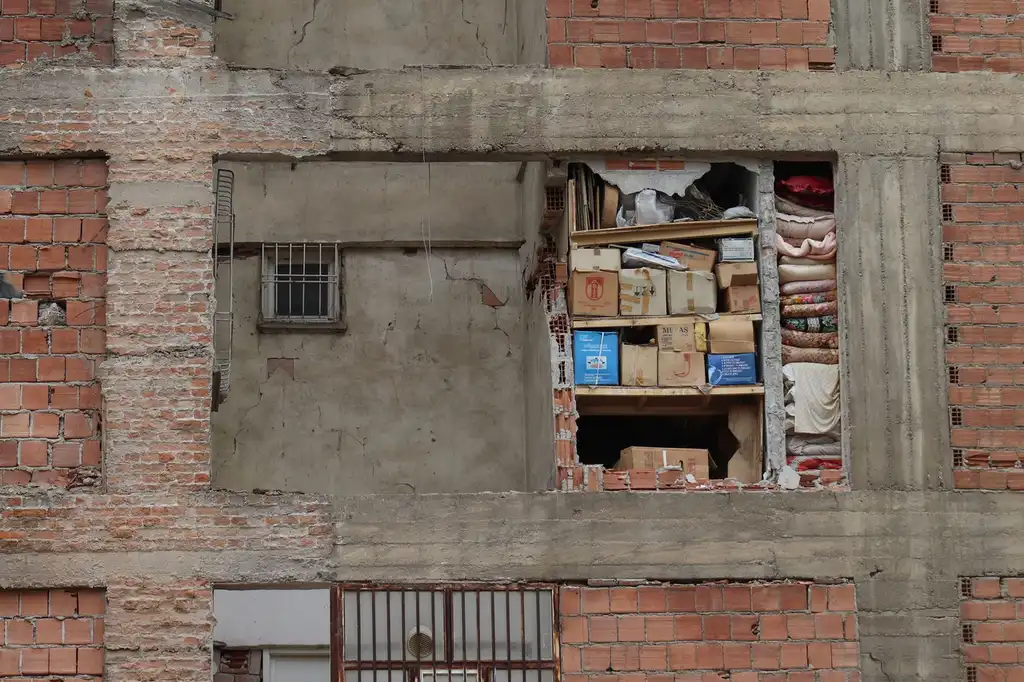
Hoarding Cleanup Madison has been operating since 2020, and mold remediation has been part of our scope from day one. Our technicians hold IICRC certification in water damage restoration and mold remediation, and we follow OSHA bloodborne pathogens protocol on every biohazard job. We also carry a North Carolina general contractor license for the rebuild side when drywall or subfloor has to come out. Most of our Madison work comes through referrals from property managers, real estate agents, and adult protective services who need a crew that shows up on time and documents everything.

We had a slow leak under the bathroom sink for who knows how long, and the whole vanity wall was black behind the cabinet. The crew contained the bathroom, cut out the drywall, and treated the studs in one day. They showed me moisture readings before and after. The musty smell that had been in that hallway for a year is finally gone.
I manage four rentals and one tenant left a mess with mold in the crawlspace. Hoarding Cleanup Madison pulled the trash, removed the moldy insulation, and replaced the vapor barrier in two days. They gave me photos and a written closeout I could send straight to my insurance adjuster. Fair price and no runaround.
We called on a Friday about mold in a unit and they had a tech out the same afternoon. They contained the bedroom, ran HEPA scrubbers, and finished treatment by Monday. My tenant stayed in the other half of the unit the whole time with no complaints about dust or smell. I have used them three times since.
Most residential jobs in Madison run $1,200 to $4,500, with small bathroom or closet jobs starting around $650. Crawlspace work typically lands between $2,000 and $6,000 because of square footage and access. The biggest cost drivers are how much porous material has to come out, whether a hoarding cleanup is bundled in, and whether rebuild is needed. We give you a written scope before any work starts.
Every job includes moisture inspection, containment with plastic sheeting, HEPA vacuuming, removal of contaminated drywall and insulation, antimicrobial treatment, and a written closeout with photos. Crawlspace jobs add vapor barrier replacement. Odor-heavy jobs add ozone or fogger treatment. Rebuild, painting, and new flooring are separate because they are finish work, not remediation.
Yes. We run 24/7 mold remediation Madison NC emergency calls and can usually have a technician at a Madison address within two to four hours. Same-day full remediation depends on the size of the job, but we can always start containment and drying the same day to stop the spread. Call (980) 829-0333 and we will tell you exactly when we can be there.
It is safe when the work zone is contained and technicians wear proper PPE. We seal the area with plastic sheeting, run HEPA air scrubbers under negative pressure, and suit up in Tyvek suits, N95 respirators, and nitrile gloves. Occupants stay out of the contained zone during removal. Once we verify moisture readings and finish fogging, the space is safe to re-enter, usually the same day.
Not seeing your question? Our local team can help you understand urgency, scheduling and what to expect.
Ask the local team
Mold and hoarding go together because clutter traps moisture against exterior walls. We clear the space first, then treat the growth underneath. One crew handles both, which keeps your cost down and your timeline short.
View service
Extreme cases often hide mold behind floor-to-ceiling stacks that have not moved in years. We use skid steers and box trucks to clear paths, then run moisture meters on every wall before remediation begins.
View service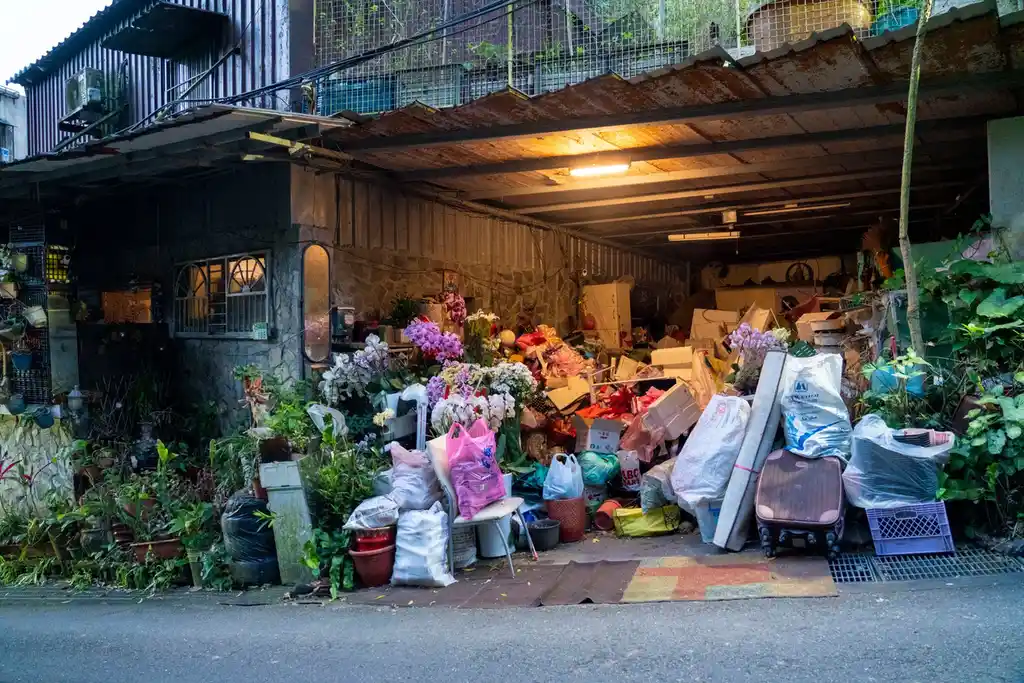
Biohazard waste feeds microbial growth fast. We remove contaminated material under OSHA bloodborne pathogens protocol, then treat the exposed framing with EPA-registered antimicrobial before any rebuild.
View serviceUrine and feces soak into subfloor and drywall, and that moisture grows mold within weeks. We pull soaked materials, disinfect with heavy-duty chemicals, and fog the cavity to stop regrowth.
View service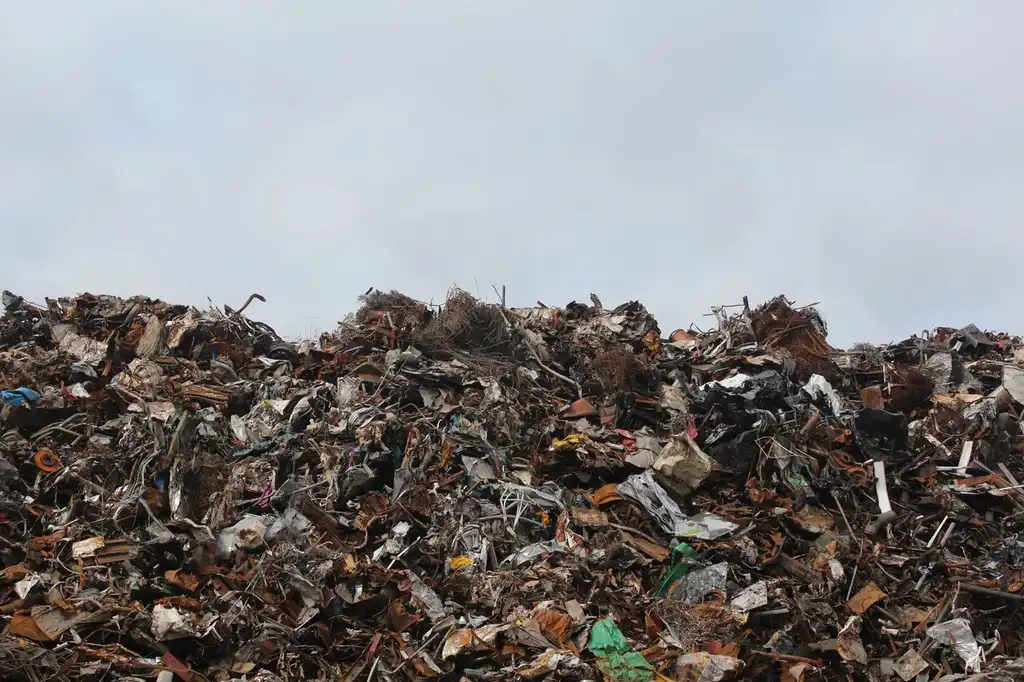
Call (980) 829-0333 any hour, any day. We answer live, not with a voicemail tree, and we can usually schedule a free walkthrough within 24 hours. If it is an emergency, tell us and we will dispatch a crew.